388th Bombardment Group (H)
History of the 388th
From activation in 1942 to the final mission in 1945, the story of the men and machines that flew from Knettishall.
Formation & Activation
Activated
24 Dec 1942
Arrived England
Jun 1943
First Mission
17 Jul 1943
The 388th Bombardment Group was activated on 24 December 1942 at Gowen Field, Idaho. The group was assigned to the Eighth Air Force and trained on the B-17 Flying Fortress before deploying to England in the summer of 1943.
The group was assigned to Station 136 at Knettishall, Suffolk, where it would remain for the duration of the war. Flying its first combat mission on 17 July 1943, the 388th went on to complete 306 missions before the war's end in May 1945.
The B-17 Flying Fortress
The aircraft that carried the 388th into battle
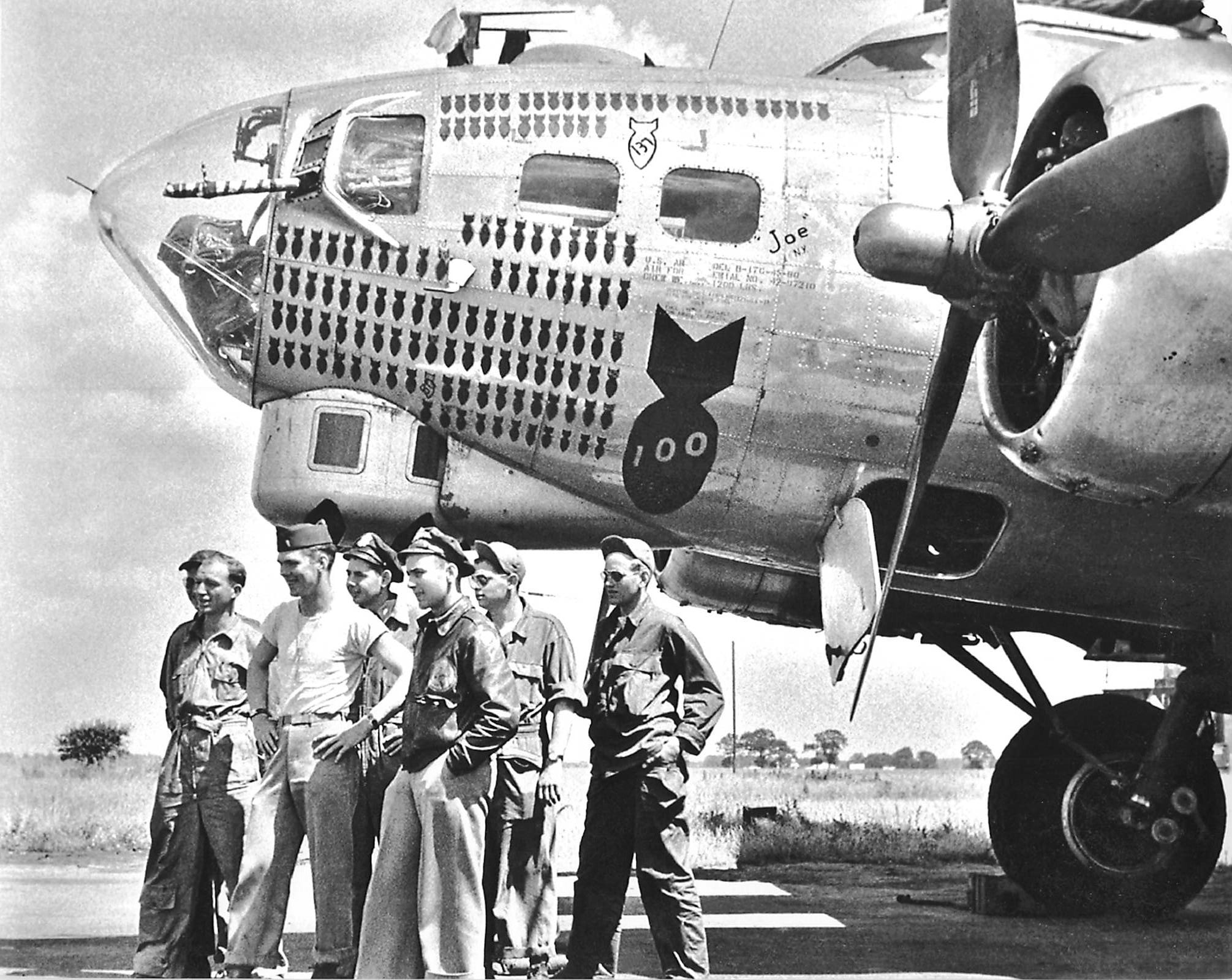
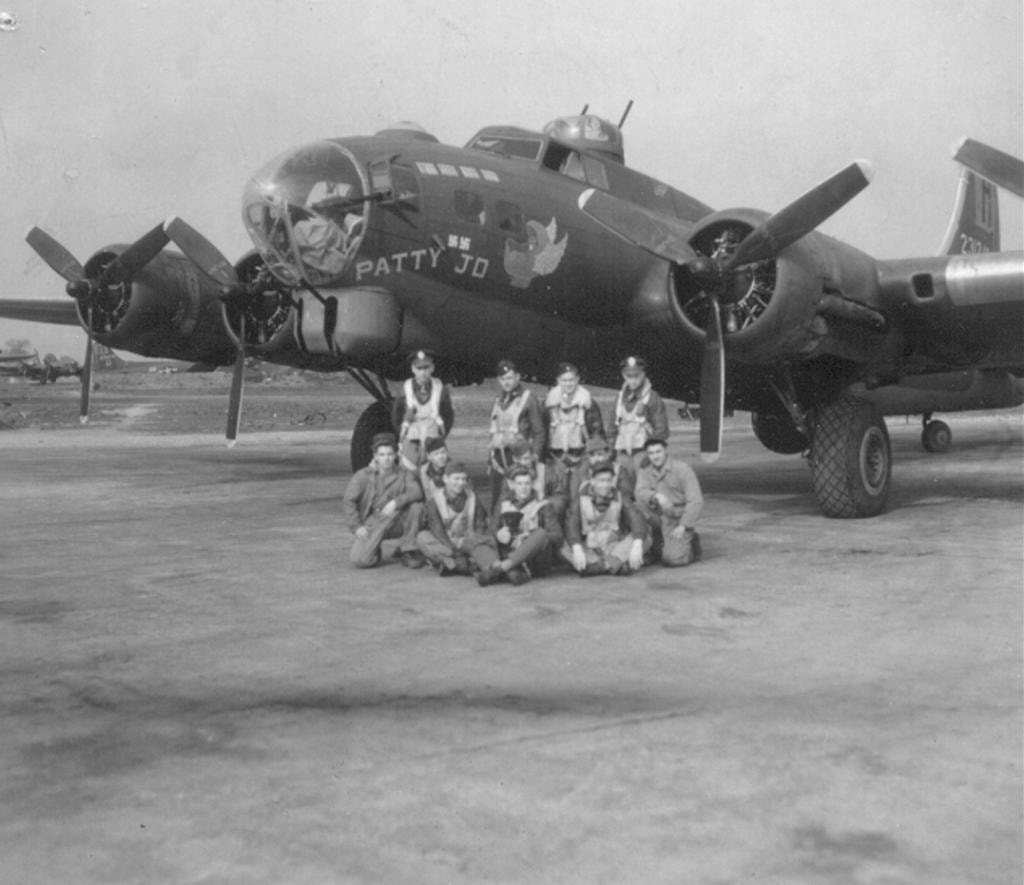
The Boeing B-17 Flying Fortress was the primary aircraft of the 388th Bomb Group throughout its combat service. A four-engine heavy bomber, the B-17 was renowned for its ability to absorb battle damage and still return its crew safely to base.
Each aircraft carried a crew of ten men and could deliver up to 8,000 pounds of bombs. The 388th flew the B-17F and B-17G variants, the latter featuring the distinctive chin turret that improved defensive firepower against head-on attacks.
Notable Personnel
The officers and men who led the 388th Bomb Group
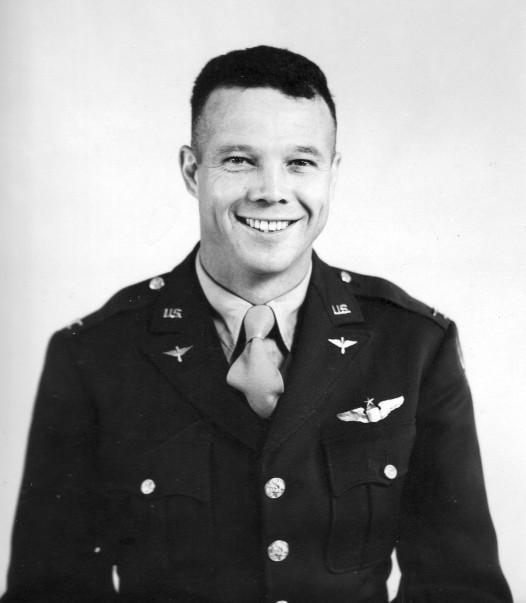
Col. William B. David
Commanding Officer, 1942–1944
The group's first commanding officer, Colonel David oversaw the activation and initial training of the 388th, establishing the standards of discipline and airmanship that would define the group's operational record.
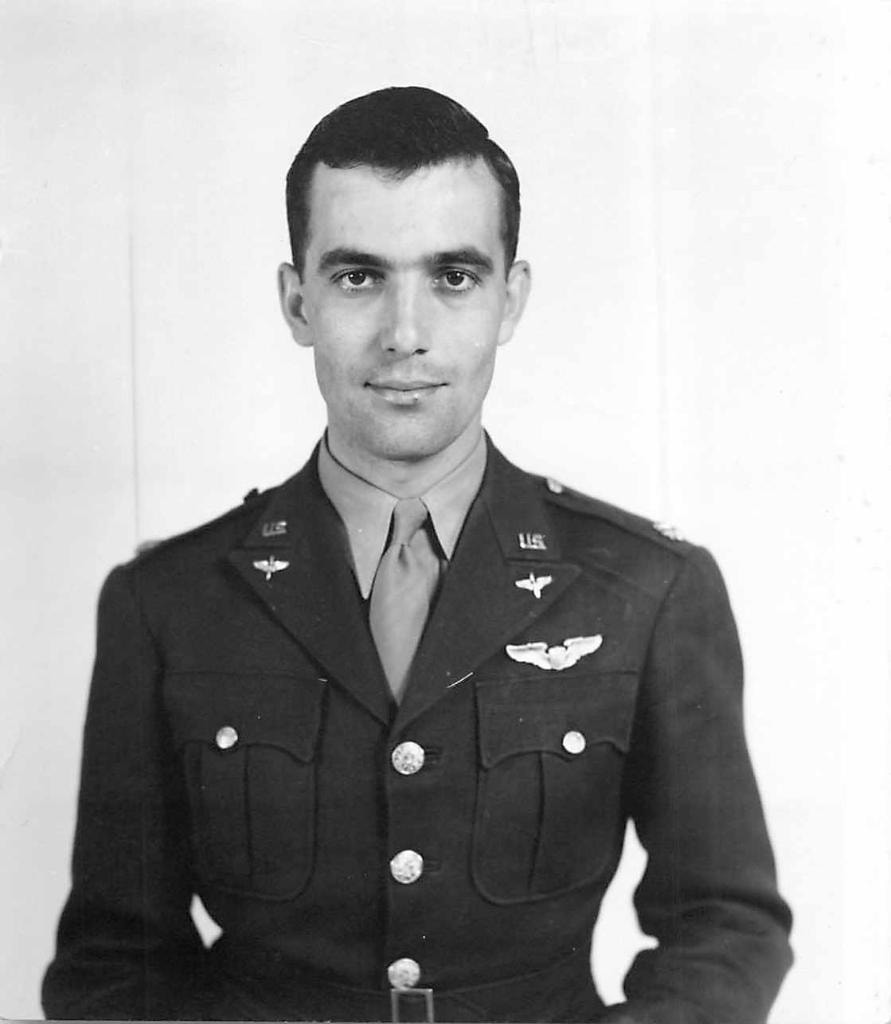
Col. Chester C. Cox
Commanding Officer, 1944–1945
Colonel Cox commanded the 388th through a critical period of the strategic bombing campaign over occupied Europe, leading the group on missions against German industrial and military targets.
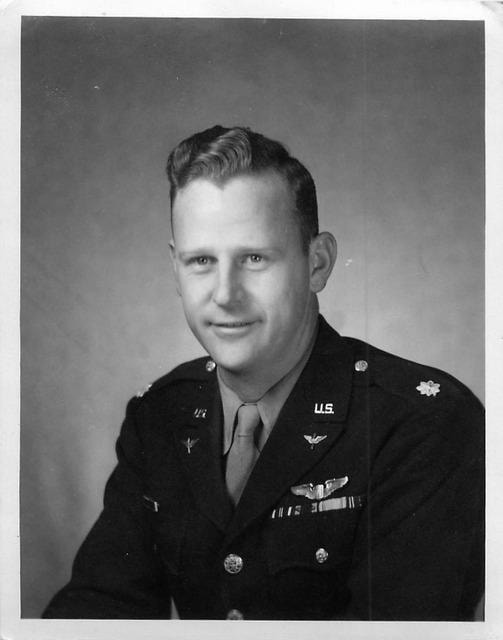
Lt Col. Hank Henggeler
Deputy Group Commanding Officer, 1943–1944
Hank was the commanding officer of the 563rd Bomb Squadron where he flew 27 missions as either the Deputy or Group Command Pilot. His most notable missions were D-Day, Brux, Czechoslovakia and Poltava.
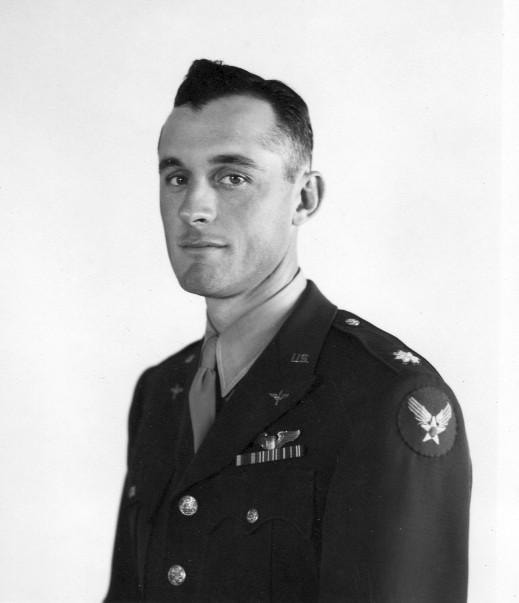
Lt Col. Roy W. Forrest
Commanding Officer, 1943 - 1944
Roy Forrest was the commanding officer of the 560th Bomb Squadron. He flew 24 missions throughout late 1943 and early 1944. He took command of station 140 - RAF Fersfield in August 1944 to oversee the Top Secret projects including Aphrodite.
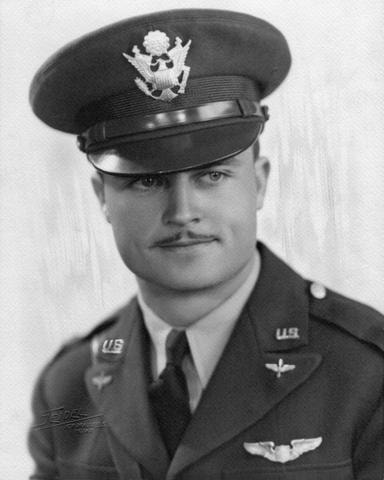
Lt Col. William Chamberlin
Commanding Officer, 1943-1944
Bill was the commanding officer of the 561st Bomb Squadron. He flew 20 missions, surviving a bale out on 5th Nov 43. He later died during mission 118 to Liege on 25th May 44, when the plane was hit by flak and fire broke out on board. The crew bailed out but Bill and the flight engineer John Hurdle both died.
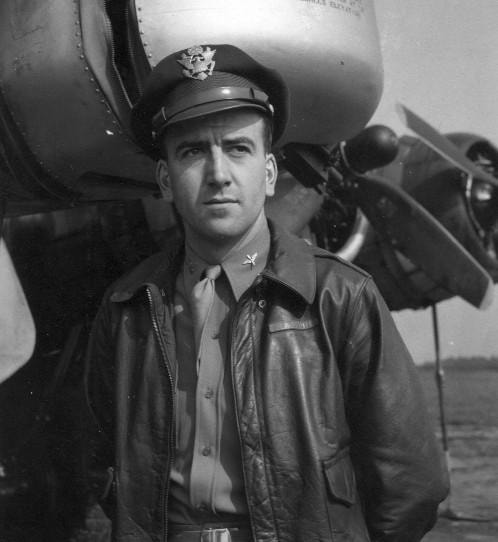
Lt Col. Gilbert Goodman
Commanding Officer, 1943 - 1945
Gil was the commanding officer of the 562nd Bomb Squadron, he took over the role after Cox was promoted to group commander. He flew 34 missions throughout the war, regularly as the deputy or command pilot.
Bomb Squadrons
Attached Squadrons
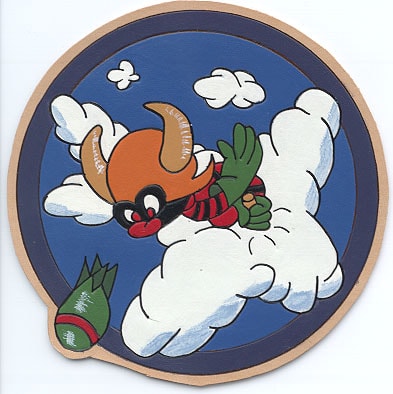
560th Bomb Squadron
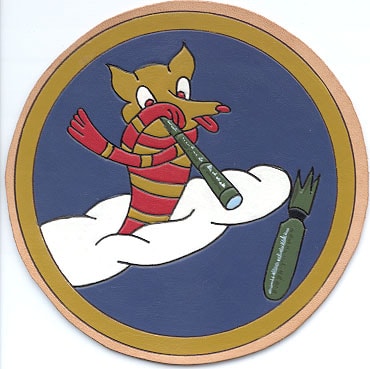
561st Bomb Squadron
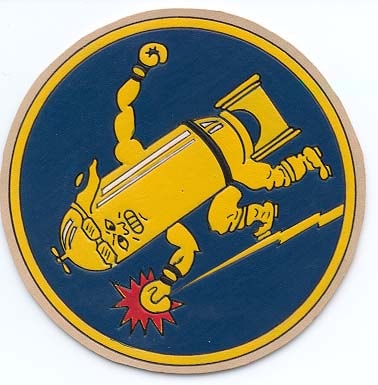
562nd Bomb Squadron
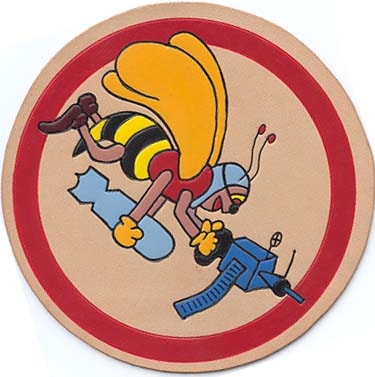
563rd Bomb Squadron
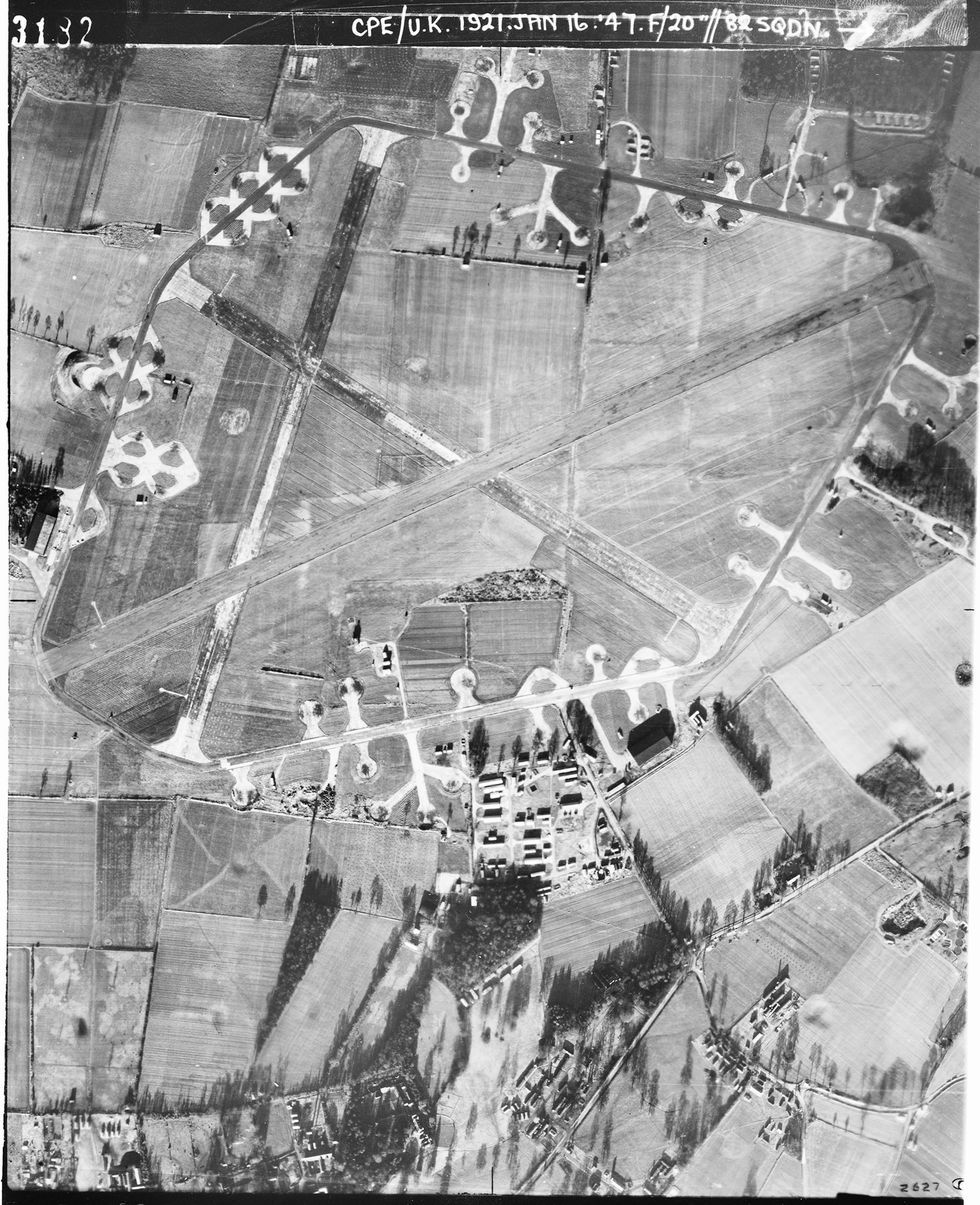
Secret Missions of World War II
Station 554: RAF Fersfield
Just miles from Knettishall, the classified airfield at Fersfield was home to Operation Aphrodite, Project Anvil and Project Batty. The daring Aphrodite drone bomb missions claimed the life of Lt. Joseph P. Kennedy Jr. in August 1944. Discover the secret history of Station 554.
Did You Know
The 388th did parachute drops?
On 1st August 1944 B-17's from the 388th Bomb Group flew a clandestine mission into the Southern French Alps, dropping OSS agents to support the French Resistance ahead of the Allied invasion of southern France. Discover the full story of this remarkable special operation.
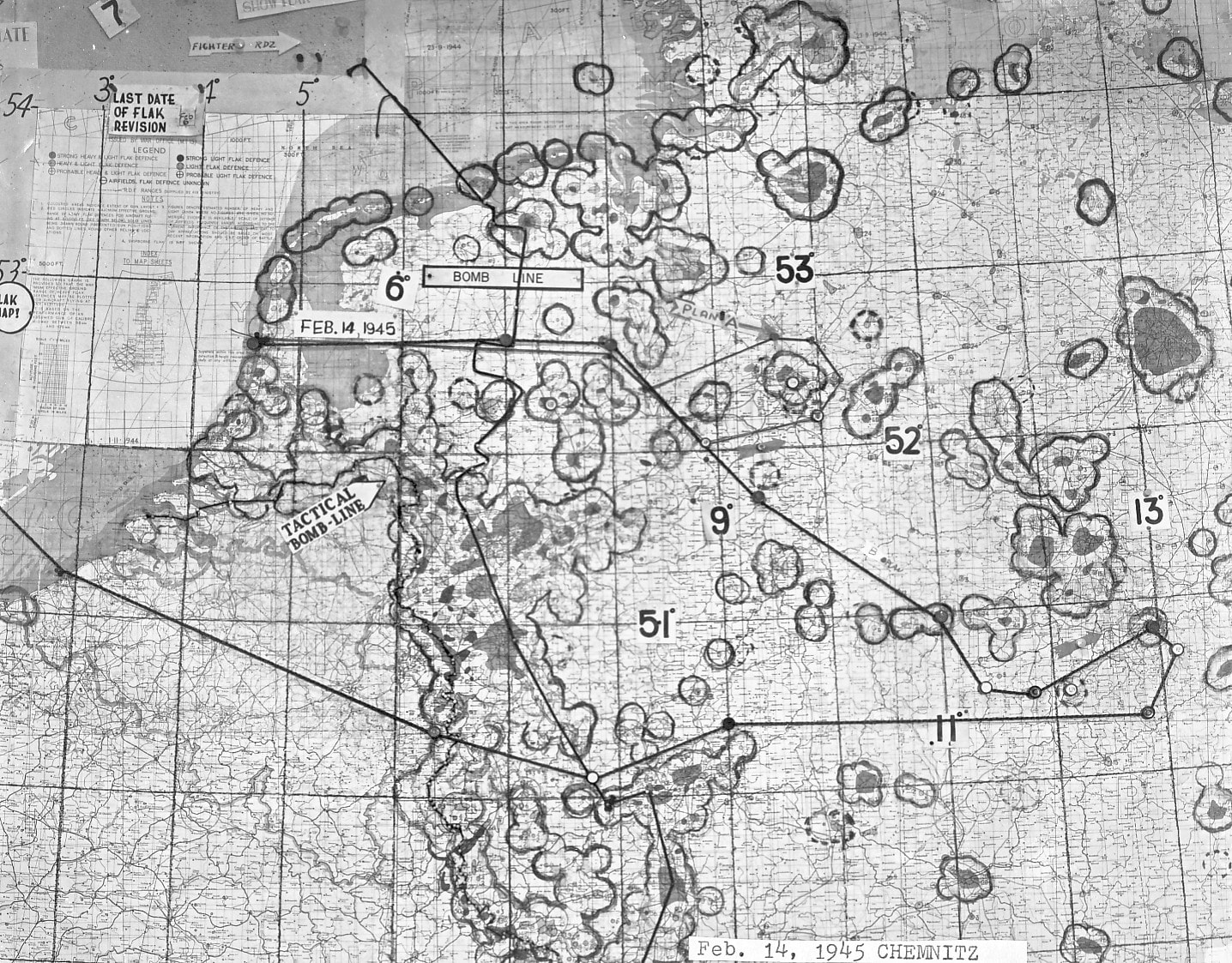
Explore the Archive
Discover mission records, crew histories, and photographs from the 388th Bomb Group's wartime service.